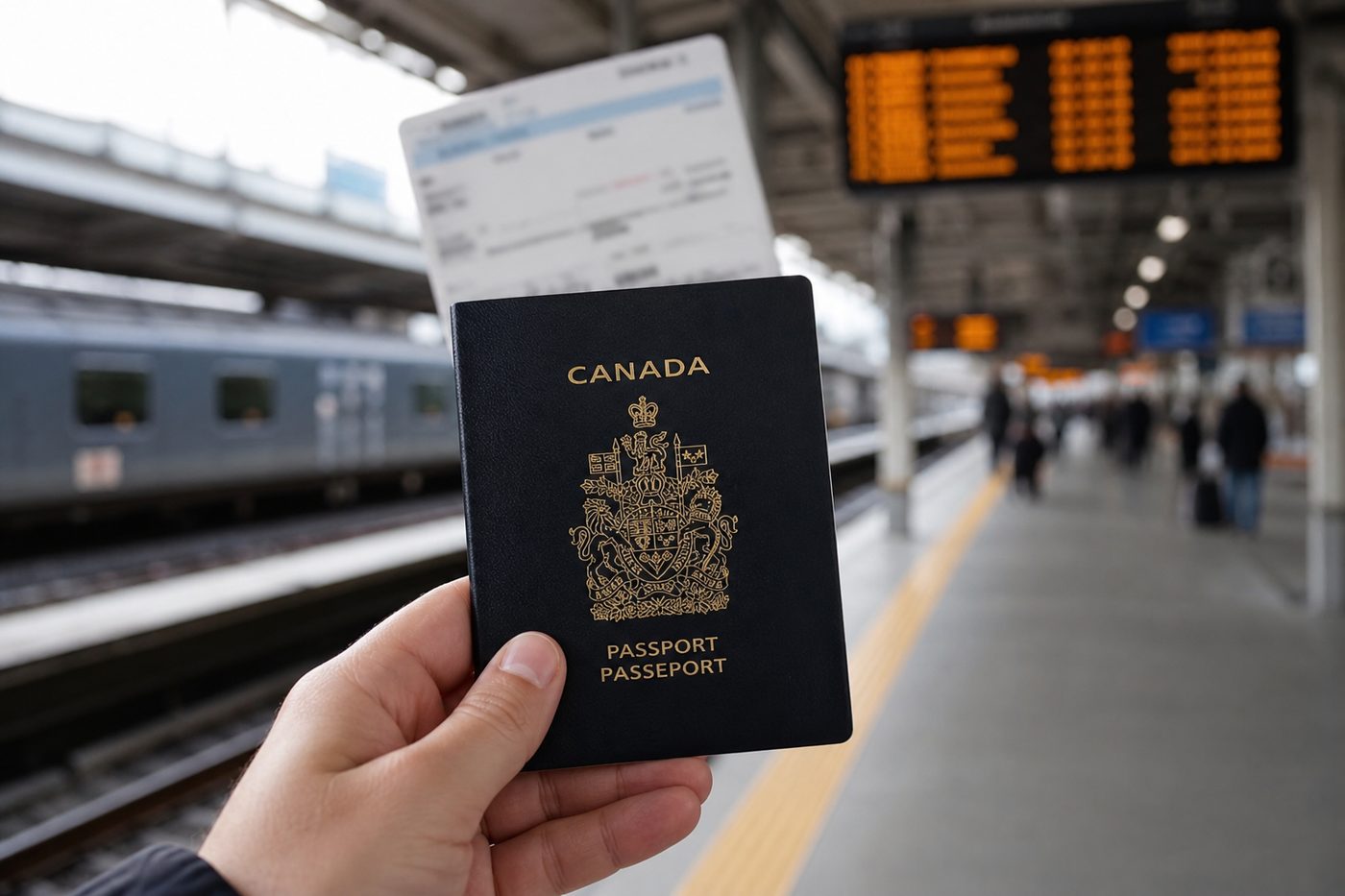
Over the years, our front desk has heard countless packing questions from guests preparing for short trips. Many travelers arrive either overpacked or missing essentials, guided by outdated advice or internet myths. The truth is, packing for a two- or three-night stay requires a different approach than preparing for a month abroad. We have watched guests struggle with oversized luggage for weekend visits and others realize they forgot basics. This guide addresses the most common misconceptions we encounter daily, offering practical corrections based on what actually works for short stays.
In this feature
- You need far fewer clothing changes than most packing lists suggest for trips under four nights
- Hotel amenities and local shops eliminate the need to pack many toiletries and extras
- Versatile layers work better than outfit-per-day packing for short trips
- Digital copies and smartphone tools replace most paper documents and guidebooks
Myth: Pack One Complete Outfit Per Day
This is perhaps the most common misconception we see. Guests arrive with bulging suitcases containing five complete outfits for a three-night stay, plus backup options. The reality for short trips is quite different. Most travelers can manage comfortably with two or three versatile pieces that mix and match. A pair of dark trousers or jeans works for multiple days. One or two tops that coordinate create several looks. Unless you are attending formal events each evening, you simply do not need a fresh outfit for every waking hour. We regularly see seasoned travelers arrive with carry-on bags for week-long stays, while nervous first-timers check large suitcases for weekends. The difference is not in their activities but in their packing philosophy. Consider that you will likely wear comfortable travel clothes on departure day, change for evening activities, and wear casual clothes for your return journey. That is three days covered with minimal items. Laundry services are available if needed, and most clothing can be worn twice on short trips without issue.
Myth: Bring Full-Size Toiletries and Backup Supplies
Many guests arrive with shopping bags full of full-size shampoo bottles, multiple backup tubes of toothpaste, and enough toiletries for a month-long expedition. For a short stay, this is unnecessary weight and bulk. Most hotels provide basic soap, shampoo, and conditioner. What we do not provide is readily available within a fifteen to twenty minute walk at local pharmacies and convenience stores. Guests often ask at check-in where to buy forgotten items, worried about prices or availability. The truth is that purchasing a small tube of toothpaste or a travel-size deodorant locally costs roughly eight to fifteen Canadian dollars and saves significant luggage space. We keep a list of nearby shops at the desk for exactly this reason. The exception is prescription medications and specialized products you cannot easily replace. Those should definitely come with you. But standard toiletries, extra razors, backup contact lens solution, and similar items are available everywhere. One guest recently told us she stopped packing hair dryers entirely after realizing every hotel room has one.
Myth: Print Everything and Bring Multiple Guidebooks
A decade ago, arriving with printed confirmations, maps, and guidebooks made perfect sense. Today, guests still occasionally check in carrying folders of printed papers and heavy travel guides for a weekend visit. Modern smartphones have transformed travel logistics. Your booking confirmation email is sufficient; we can look up your reservation by name. Digital boarding passes work perfectly well. Maps on your phone provide better navigation than paper versions and update in real time. That said, we always recommend having one backup: either a screenshot of your hotel address and confirmation number, or a single printed page with essential details. Phone batteries die, and data connections fail. But you do not need to print your entire itinerary, restaurant reservations, and attraction tickets. Most venues accept digital tickets. As for guidebooks, they are wonderful for pre-trip planning at home, but carrying a two-kilogram book for a short stay makes little sense when the same information is searchable on your device. We keep local recommendations at the front desk and happily share current information about what is open and worth visiting right now.
Myth: Pack for Every Possible Weather Scenario
We understand the anxiety behind this one. Guests worry about sudden weather changes and pack winter coats for autumn visits or bring umbrellas, raincoats, rain boots, and waterproof layers for a three-day trip with a slight chance of showers. The result is overstuffed bags and unnecessary stress. For short trips, check the actual forecast for your specific travel dates a day or two before departure, not the general climate information for the month. One versatile jacket and a compact umbrella handle most situations. Layering works better than packing heavy specialized gear. If truly extreme weather arrives unexpectedly, local shops sell appropriate clothing. We have never seen a guest unable to manage because they lacked a specific weather item for a short stay. The exception is if your trip centers on a specific outdoor activity like skiing or hiking, where proper gear is essential for safety and enjoyment. But for typical city visits and general tourism, packing for every weather possibility creates more problems than it solves. Trust the forecast, pack one good layer, and adjust if needed upon arrival.
Myth: Bring Entertainment and Backup Activities
Some travelers pack as though they might be stranded without options: multiple books, tablets loaded with movies, travel games, notebooks, and various entertainment items for a short trip. While having a book or device for travel time makes sense, remember that short trips are usually busy with planned activities. You are here to explore, not to spend hours in your room needing entertainment. Most guests tell us they never touched the three books they brought or watched any of the downloaded shows. Your phone handles music, podcasts, and reading for travel time. The hotel has Wi-Fi for streaming if you want to relax one evening. Local bookstores and newsstands exist if you finish your reading material. We have seen guests carry heavy backpacks full of just-in-case entertainment that never leaves their luggage. The mental burden of tracking multiple items and worrying about leaving something behind outweighs any benefit. Pack one book or load one device, then focus on experiencing your destination rather than recreating your home entertainment setup in a hotel room for three nights.
In short
The common thread in most packing myths is overestimation of what you need and underestimation of what is available at your destination. Short trips require less than you think. Our front desk team has observed that the happiest, most relaxed guests often arrive with modest bags and a flexible attitude. They trust that forgotten items can be purchased, that versatile clothing works for multiple occasions, and that modern tools eliminate the need for excessive paper and backup supplies. When you pack for your next short trip, challenge each item: will I definitely use this, or am I packing it for an unlikely scenario? The freedom of traveling light often enhances the journey more than having every possible item at hand.
Prices and shop locations mentioned are approximate and subject to change. Please verify current details at the front desk upon arrival. Sources