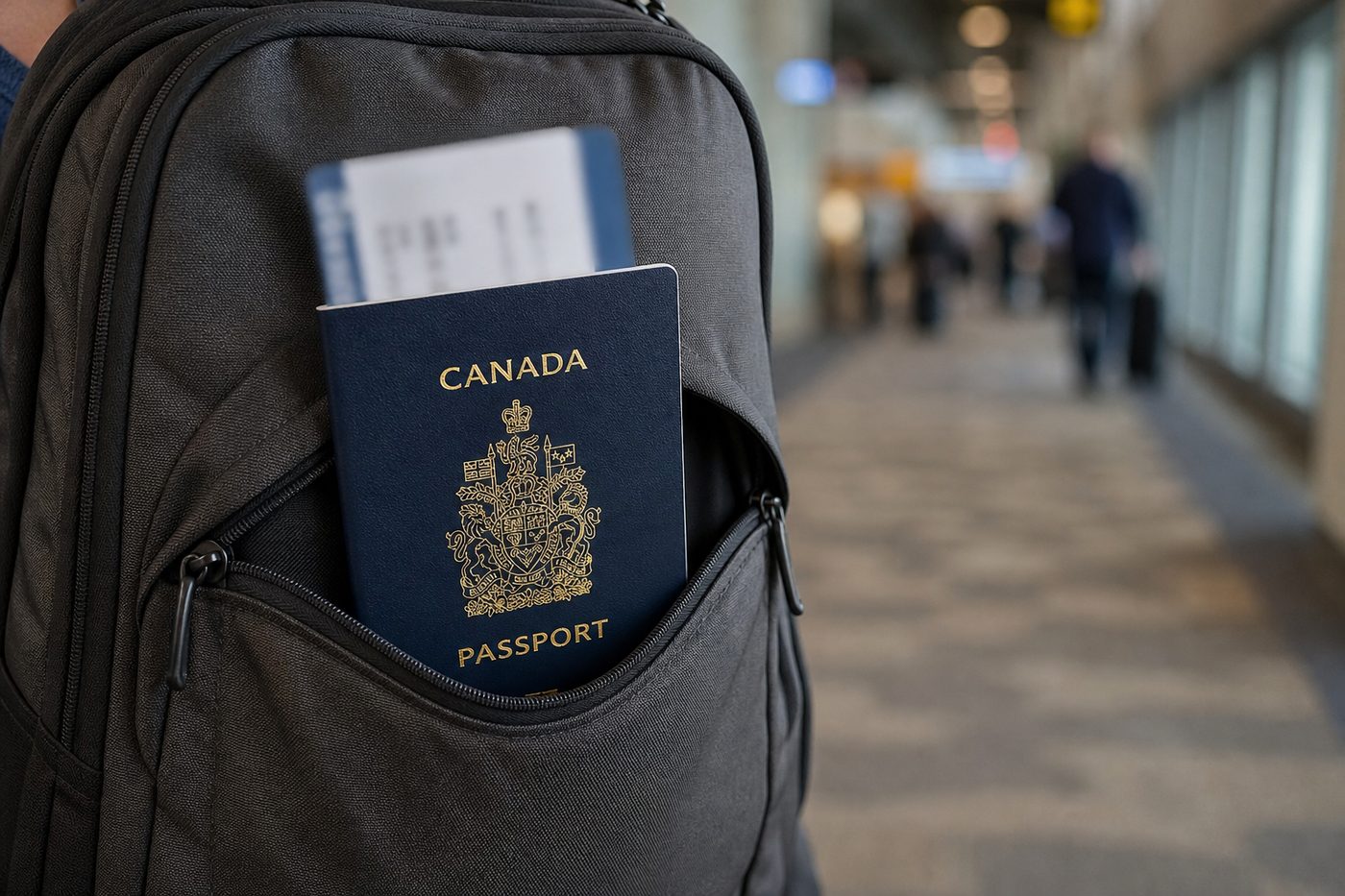
Last month, a guest arrived at our hotel for a three-day Halifax visit with a single carry-on and a small backpack. By the end of her stay, she told us it was the smoothest short trip she had ever taken. We asked her to share exactly what she packed, what she used, and what she wished she had brought differently. Her experience offers concrete lessons for anyone planning a quick getaway to our city, especially visitors from other parts of Canada who want to travel light without sacrificing comfort.
In this feature
- A versatile jacket and one pair of comfortable walking shoes handled three days of varied weather and activities
- Packing cubes and a reusable water bottle saved space and money throughout the stay
- Digital copies of documents and a portable charger eliminated common travel stress
- Leaving behind 'just in case' items freed up room for souvenirs and local purchases
The Guest and Her Trip
Sarah, a marketing consultant from Toronto, booked three nights with us in early October 2026. She had meetings downtown on two days and planned to explore the waterfront and Citadel Hill on her free afternoon. The forecast showed temperatures between 12 and 18 degrees with a chance of light rain. She travels frequently for work and has refined her packing over dozens of short trips. Her goal was simple: fit everything into a standard carry-on roller bag and a personal item, avoid checked baggage fees, and move easily between the airport, hotel, and meetings. She succeeded completely. When we spoke with her on checkout day, she walked us through every item she brought, what worked, and what she would change next time.
What She Packed and Why
Sarah's clothing strategy centered on layering and neutral colours. She brought two pairs of trousers (one black, one navy), three tops that could mix and match, one cardigan, and a water-resistant jacket with a hood. For shoes, she wore comfortable leather ankle boots on the plane and packed lightweight canvas sneakers. Undergarments and socks for four days gave her a buffer. Her toiletries fit in a clear quart-sized bag: travel-sized basics plus a solid shampoo bar to save liquid allowance. She used packing cubes to compress everything and keep items organized. Her backpack held her laptop, charger, a portable battery pack, noise-canceling earbuds, a reusable water bottle, a small umbrella, and a paperback book. She kept her phone, wallet, and hotel confirmation on her phone in a digital wallet.
- Water-resistant hooded jacket (worn most days)
- Two pairs of versatile trousers
- Three mix-and-match tops
- One warm cardigan for indoor air conditioning
- Comfortable walking shoes (boots and sneakers)
- Packing cubes for compression and organization
- Solid toiletries to maximize liquid allowance
- Portable charger and universal adapter
What Worked Exceptionally Well
The water-resistant jacket proved essential. Sarah wore it every day, both for the drizzle on day two and for cool evening walks along the harbour. The ankle boots handled cobblestones near the Historic Properties and office carpets equally well. She refilled her water bottle at the hotel each morning, saving roughly fifteen dollars she would have spent on bottled water and coffee shop purchases. The packing cubes made unpacking at the hotel quick — she simply placed them in the drawer and lived out of them, repacking in under five minutes on checkout morning. Her portable charger kept her phone alive during a long afternoon of sightseeing when she used maps and took photos extensively. The digital wallet meant no fumbling for printed confirmations or worrying about losing paper documents. She also appreciated having one extra day of undergarments, which gave her flexibility when her meeting ran late and she could not return to the hotel to change before dinner.
What She Would Change
Sarah wished she had brought a small crossbody bag for evenings out. She used her backpack for dinner and drinks, which felt too bulky and casual for the restaurant atmosphere. A compact bag would have held her phone, wallet, and room key more elegantly. She also packed a formal blazer that she never wore — the cardigan over a nice top worked fine for her meetings, and the blazer took up valuable space. She brought three pairs of trousers but only rotated two; the third pair was unnecessary weight. On the toiletries front, she realized the hotel provided excellent shampoo and conditioner, so her solid bar was redundant. Finally, she brought a guidebook that she never opened because she did her research on her phone. These items together could have freed up space for a small gift she wanted to buy at the waterfront market but could not fit.
Practical Lessons for Your Next Short Trip
Start by checking the weather forecast and your actual itinerary. Pack for what you will definitely do, not for unlikely scenarios. Choose clothing in two or three coordinating colours so everything works together — this dramatically reduces the number of pieces you need. Wear your bulkiest shoes and jacket during travel to save luggage space. Invest in good packing cubes; the compression and organization are worth the small cost. Bring a reusable water bottle and fill it after airport security and at your hotel. Keep a portable charger in your day bag. Use your phone for boarding passes, hotel confirmations, maps, and restaurant reservations rather than printing everything. Pack one extra day of basics for flexibility, but resist the urge to pack for every possible situation. If you forget something minor, you can usually buy it locally — and that becomes part of the travel experience rather than a crisis.
In short
Sarah's experience confirms what our front desk team sees repeatedly: smart packing for short trips is about editing ruthlessly and choosing versatile items. Her three-day Halifax visit worked smoothly because she planned around her actual needs rather than imagined emergencies. The money she saved on baggage fees covered a nice dinner at the waterfront. The time she saved not waiting at baggage claim gave her an extra hour to explore before her first meeting. When you pack light and pack smart, you spend less time managing your belongings and more time enjoying your destination. We keep these lessons in mind when guests ask us what to bring for their Halifax stay.
Guest experiences reflect individual preferences and specific trip circumstances. Packing needs vary by season, activities, and personal requirements. Always check current weather and your specific itinerary. Sources